



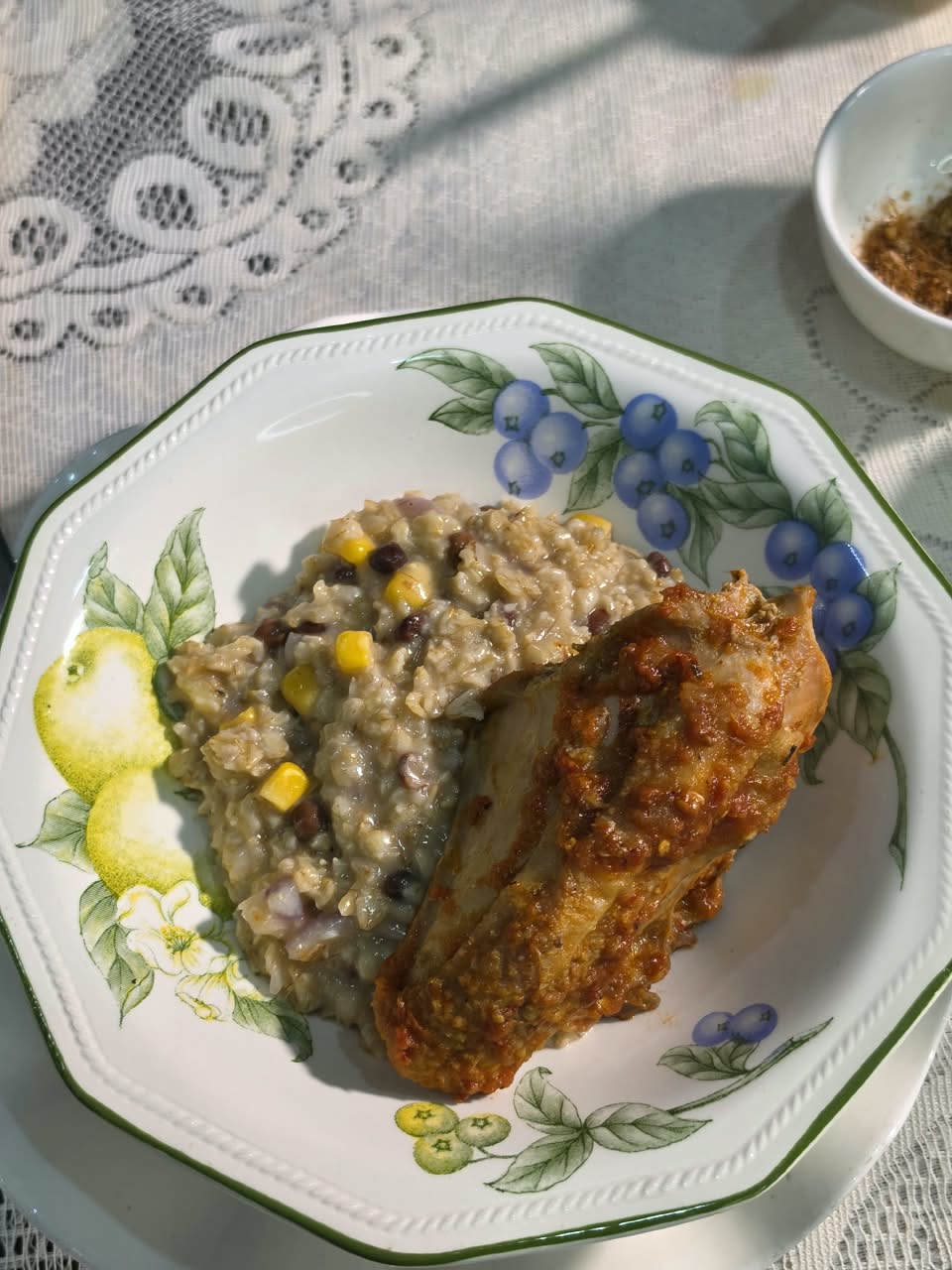
One Sauce, Three Savoury Oat Bowls for Tired Cooks
- October 26, 2026
- by
- Khyra
A weeknight plan for tired cooks: choose one sauce, vary the additions and build a fallback that respects your kitchen, budget and electricity supply.
After a long Lagos commute, imagine opening the cupboard, closing it, then opening it again. The oats are there. So is the question you cannot face: what exactly am I cooking?
A recipe requiring a second shopping trip can lose its appeal before the pan is warm. The useful experiment is to decide one meal in advance, including what happens when the egg is missing or the fridge cannot be trusted.
Give the intention a cue
Behaviour researchers call a specific cue-and-response commitment an implementation intention: “If this situation happens, then I will take that action.” It links a recognisable moment with a chosen behaviour, rather than relying only on a general wish to eat differently. For this kitchen, the cue might be putting down your work bag; the response might be checking the ingredients for one planned bowl.
A 2026 review of randomised trials found a small improvement in self-reported fruit and vegetable intake from if-then plans compared with active controls. Self-reporting limits certainty, and the studies did not test Khyra’s oats routine or prove weight loss. Applying that planning approach here is a practical adaptation, not a validated treatment. It can make the next action clearer; it cannot supply food, money, cooking fuel or reliable electricity when those are missing. [1]
The Khyra three bowl rotation
|
Choose one |
Add to cooked oats and your sauce |
|
Egg bowl |
One thoroughly cooked egg and cooked greens. |
|
Bean bowl |
Half a cup of cooked beans and cooked carrots. |
|
Fish bowl |
A portion of cooked deboned fish and cooked vegetables. |

Plan for the evening you actually have
1. Choose one return-home meal. Check the cupboard before shopping. Use plain oats and whichever table option is accessible; the quantities are flexible suggestions, not equivalent nutrition targets. Start with the sauce tutorial.
2. Write one fallback. If eggs cost too much, use safely stored cooked beans or another accessible protein. If no suitable food is available, choose a different meal; oats are optional. Measure your preparation time instead of trusting an untested “five-minute” promise.
3. Match preparation to storage. With dependable refrigeration, portion sauce promptly into clean containers. Without it, make only what you will eat immediately. Keep each person’s pepper adjustment separate rather than cooking another entire dinner.
Try this today: Write “If I get home tired tomorrow, I will make the ___ bowl.” Check that its ingredients and storage plan are realistic before committing.
What this does not mean: Refrigerate cooked food promptly, preferably below 5°C, within two hours; shorten this to one hour above 32°C. Reheat thoroughly, but do not use reheating to rescue improperly stored food: some bacterial toxins survive cooking.
You do not have to persuade a household in Lagos, Accra or London to share one taste. This is a flexible template, not a claim to represent those cities’ cuisines. Tomorrow’s cupboard needs one workable decision. Which bowl would you choose, and what would make it possible?
You may also Like

Africa’s Slimming Economy: Navigating Weight Loss Safely

What Does a Healthy African Plate Really Cost?