


Ramadan & Lent Weight Loss Guide: Fasting for Fat Loss Tips
- March 03, 2026
- by
- Khyra
Most people expect to lose weight during Ramadan and Lent, yet many gain weight instead.
Fasting can be a powerful metabolic and spiritual reset, but without structure, it often turns into late-night overeating, sugar cravings, and exhaustion.
This guide explains how to fast in a way that supports fat loss, energy, and overall health without abandoning cultural foods or spiritual focus.
Why Fasting Should Lead to Weight Loss
When structured properly, fasting improves insulin sensitivity, supports fat burning, and stabilizes hunger hormones.
However, overeating after breaking fast, consuming sugary drinks, poor sleep, and low movement can reverse these benefits and lead to fat gain instead of fat loss.
Common Mistakes During Ramadan & Lent
1. Overeating immediately after breaking fast
2. Consuming high amounts of sugary drinks
3. Poor sleep due to late meals and late nights
4. Reduced daily movement
5. Emotional overeating as a reward after fasting
These patterns can push the body toward fat storage rather than fat burning.
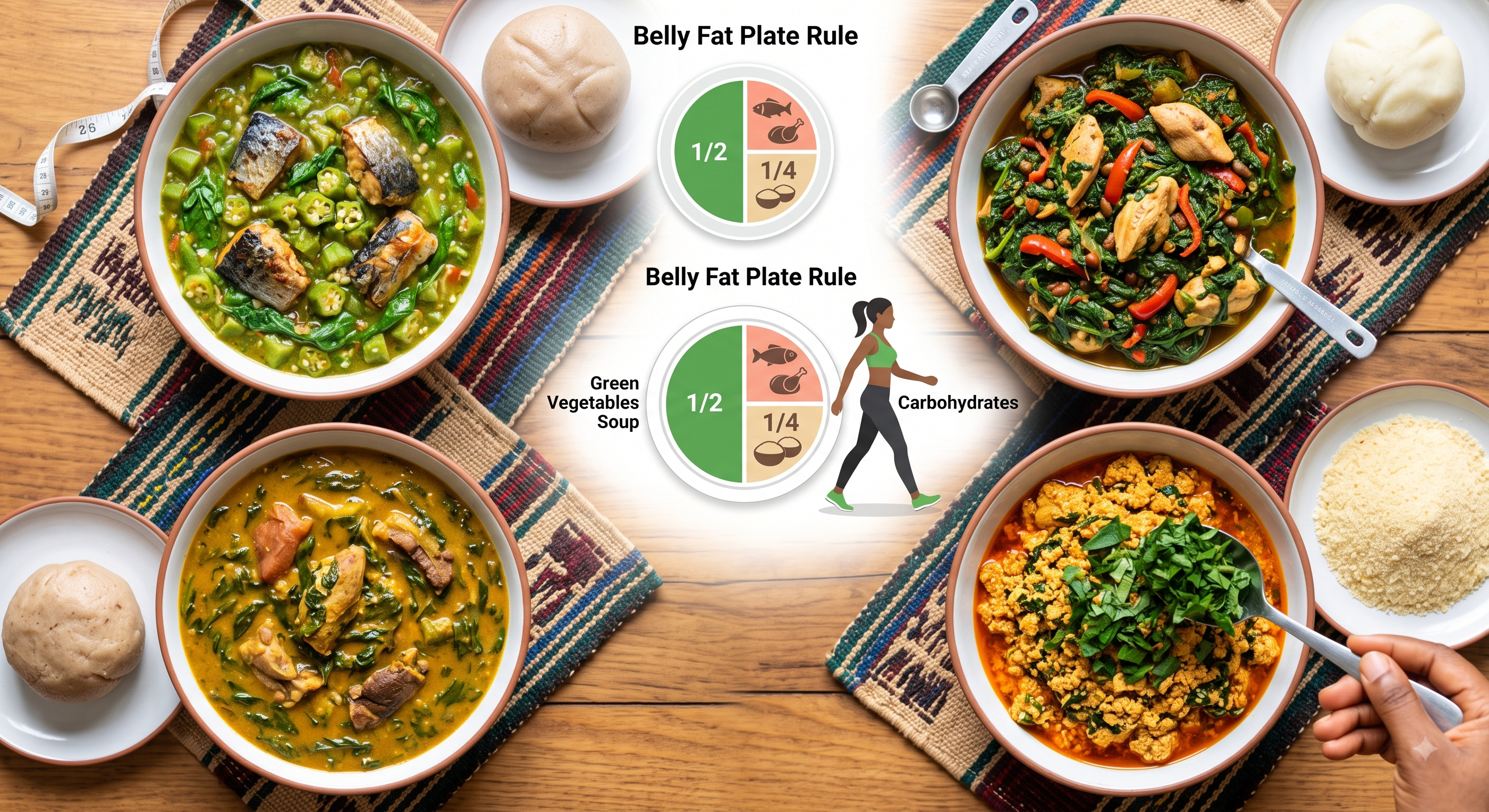
Best Plate Structure for Fat Loss
|
Plate Component |
Recommendation |
|
½ Plate |
Vegetables or lean protein |
|
¼ Plate |
Carbohydrates (rice, swallow, potatoes) |
|
¼ Plate |
Protein (fish, chicken, beans, eggs) |
Healthy Foods to Prioritize
- Protein: eggs, fish, chicken, beans
- Smart carbohydrates: oats, rice in moderation, sweet potatoes
- Healthy fats: avocado, nuts, olive oil
- Hydration: water, coconut water, unsweetened zobo
- Fiber: vegetables and fruits
Foods to Limit
Sugary drinks, excessive fried foods, heavy late-night meals, and constant snacking after breaking fast.
Sample Balanced Meal Example
|
Meal Component |
Example |
Benefit |
|
Hydration |
Water + 1–2 dates |
Gentle blood sugar rise |
|
Protein |
Fish or eggs |
Satiety + muscle support |
|
Carbohydrate |
Rice or swallow (moderate) |
Energy replenishment |
|
Vegetables |
Salad or cooked vegetables |
Fiber + digestion support |
What the Science says
Research on time-restricted feeding and intermittent fasting shows that controlled fasting periods can improve insulin sensitivity, enhance fat oxidation, and reduce inflammation. However, excessive caloric intake after fasting can cause large insulin spikes that promote fat storage. Balanced meals with adequate protein, fiber, hydration, and moderate carbohydrates help stabilize blood glucose levels and support sustainable weight loss during fasting seasons. Consistent sleep and light physical activity further enhance metabolic regulation and energy balance.
Final Thoughts
Ramadan and Lent offer a unique opportunity to reset both spiritually and physically.
With intentional meal structure, hydration, sleep, and mindful eating, fasting can support fat loss, improved energy, and better metabolic health.
The goal is not extreme restriction, but structured discipline.
With the right approach, this season can leave you healthier, lighter, and more energized.
You may also Like

Obesity: A Chronic Condition Beyond BMI

Nigerian Fast Food Guide for Belly Fat Loss