
Stop Overeating at Parties: 5 Hacks to Handle Pressure
- November 24, 2025
- by
- Khyra
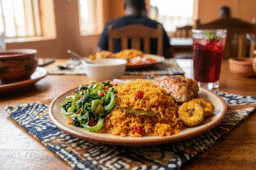
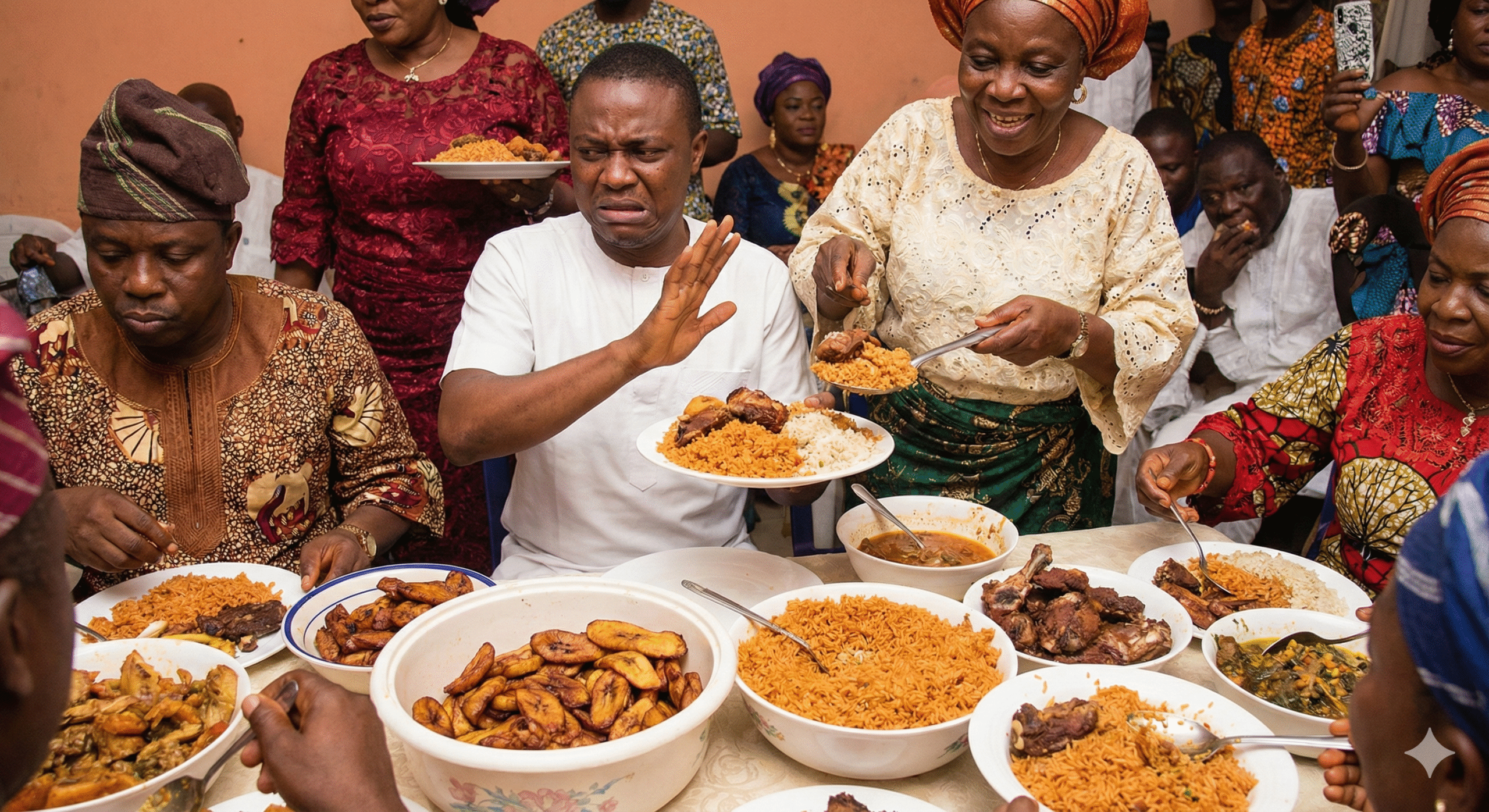
Tell me why every party you attend feels like a mini food war. Rice piled higher than your head. Meat enough to start a butchery. Aunties side-eyeing you if you dare say, “No, I’m full.” And heaven help you if you leave food on the plate, it’s automatically labeled as disrespect. Deep down, you’re stuffed, sluggish, and bloated, but the pressure to keep eating never stops.
Problem: Why You’re Stuck
The truth? We’ve normalized overfeeding as love. In Nigerian culture, food equals care, status, and abundance. A mother won’t rest until you’ve had “just one more piece.” At weddings, people measure the success of the event by how much food and drink they managed to pack away. But here’s the trap, you’re caught between not wanting to offend anyone and your own body screaming, “Please, enough!” This cycle keeps waistlines growing, energy dropping, and health issues piling up.
Solution: The Shift You Need
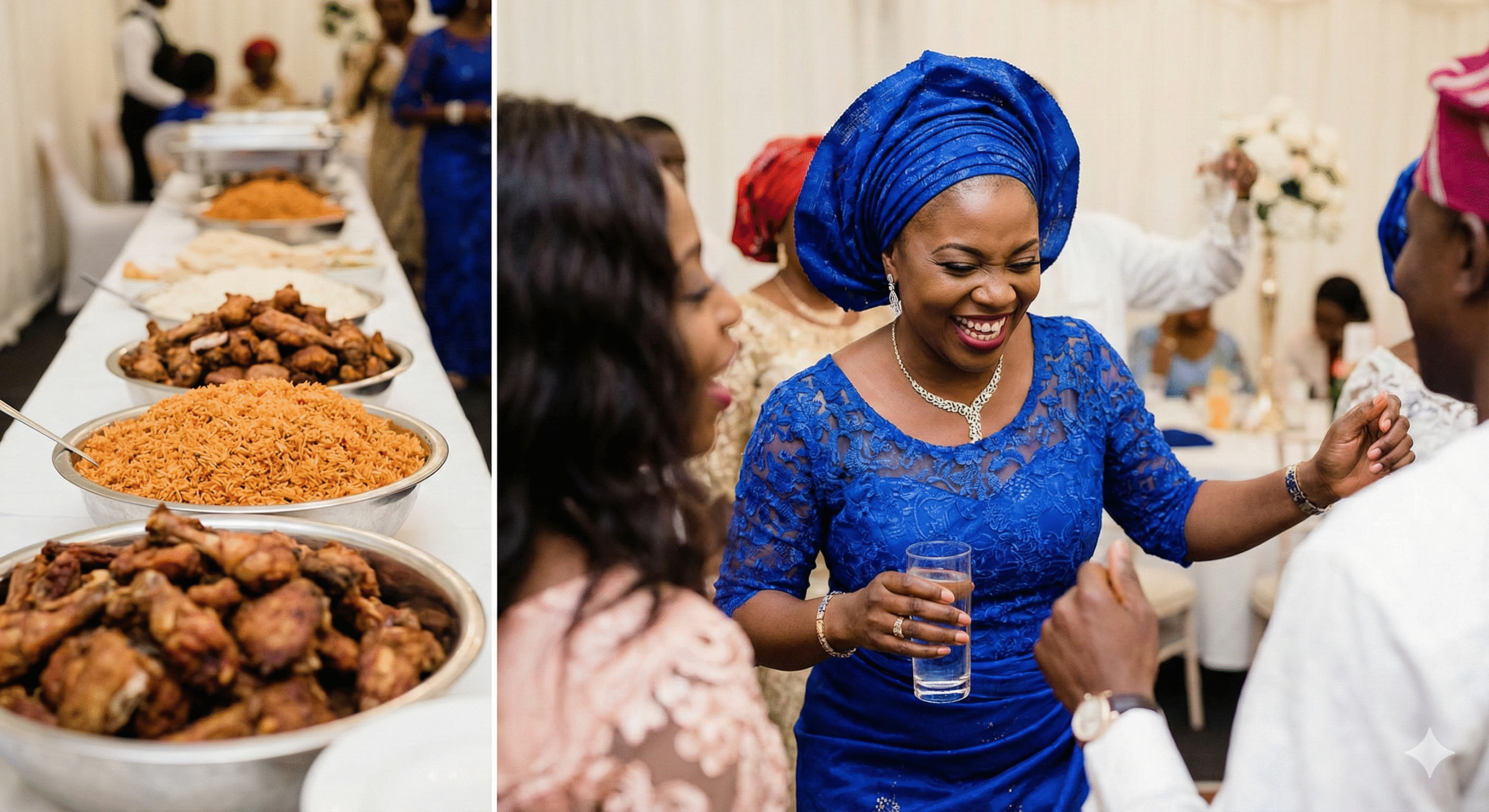
You don’t have to fight the whole culture. You just need small tactical pushbacks that protect your health without disrespecting anyone. Here’s how:
- Portion Hack: Take smaller servings first. If you’re pressured, you can say, “I’ll come back for more.” Most times, no one checks if you do.
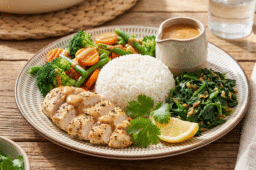
- Buffer Plate: Load up on salad, vegetables, or moi moi before the heavy rice-and-meat combo. It fills your stomach and quiets cravings.
- Polite Refusal Script: Practice a respectful but firm line: “Thank you, I’m satisfied. I truly enjoyed it.” It works more than you think.
- Slow Eating: Pace yourself. The slower you eat, the easier it is to stop before overeating.
- Shift the Focus: Engage more in conversations, dancing, or helping serve. Less time eating, more time living.
Science Says: Why This Works
Research shows that social and cultural cues strongly drive overeating, often more than hunger itself. Nigerians, like many cultures, tie food to identity and celebration. But studies also prove that portion control and mindful eating can cut calorie intake by 20–30% without increasing hunger. Slowing down eating allows satiety hormones like leptin and GLP-1 to signal fullness, reducing the risk of chronic overeating. In the long run, building these small habits helps prevent obesity, diabetes, and cardiovascular disease—conditions now rising fast across Africa.
Pep Talk
Sis, let’s be real: no party jollof is worth your health. You don’t need to battle the culture, just outsmart it. Protect your body, keep your dignity, and walk away knowing you ate what you wanted not what tradition forced on you. That’s how you break the cycle and still enjoy life without hiding under big clothes.
You may also Like
Nigerian Fast Food Guide for Belly Fat Loss